
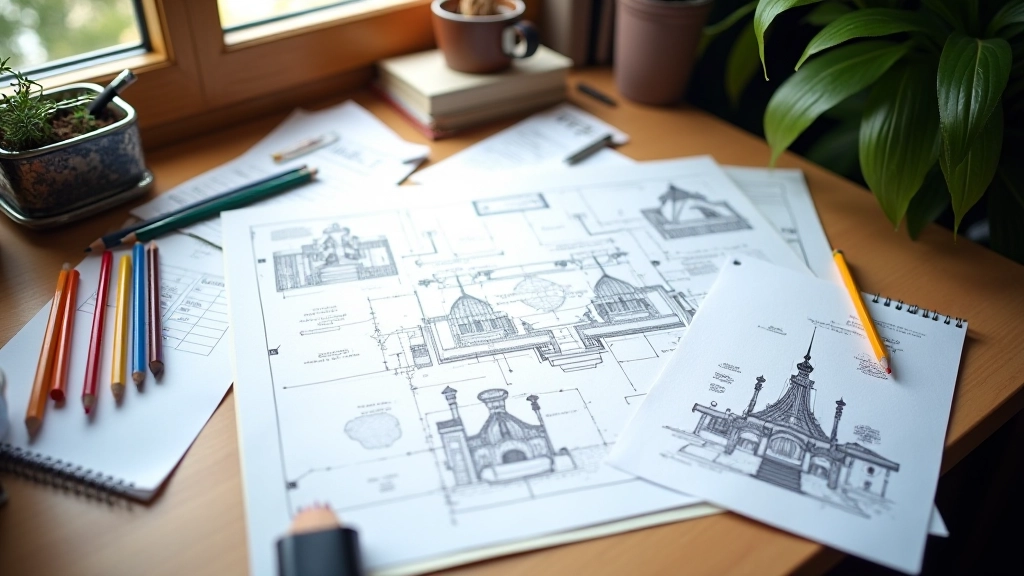
Building Spaces That Tell Stories Without Words
Learn how environmental details create narrative depth. From scattered objects to architectural choices, discover what makes players feel immersed.
Read MoreMaster the art of crafting engaging environments through environmental storytelling and strategic layout design for Canberra game development.
Understanding the fundamentals before you start.
Environmental storytelling shows the story through the space itself — scattered objects, architectural choices, and spatial relationships. Exposition tells the story directly. Good level design uses both, but environmental storytelling is more immersive because players discover the narrative while exploring.
Use natural architecture, lighting, and color to create focal points. Paths narrow or widen to suggest direction. Key areas are elevated or positioned at sight lines. Players subconsciously follow these spatial cues. It’s about making the environment itself do the work — no glowing arrows needed.
Pacing controls the player’s emotional journey through a level. You alternate between intense moments and quiet exploration, open areas and confined spaces, combat zones and safe havens. Varied pacing prevents fatigue and keeps engagement high. A good level doesn’t rush or drag — it breathes.
Vertical space is crucial. It adds complexity, creates multiple paths, and makes environments feel less linear. Heights reveal or hide information, create visual interest, and allow for different approaches to challenges. Even in 2D games, layering depth creates richer, more memorable spaces.
In-depth guides to elevate your design practice.
Learn how environmental details create narrative depth. From scattered objects to architectural choices, discover what makes players feel immersed.
Read More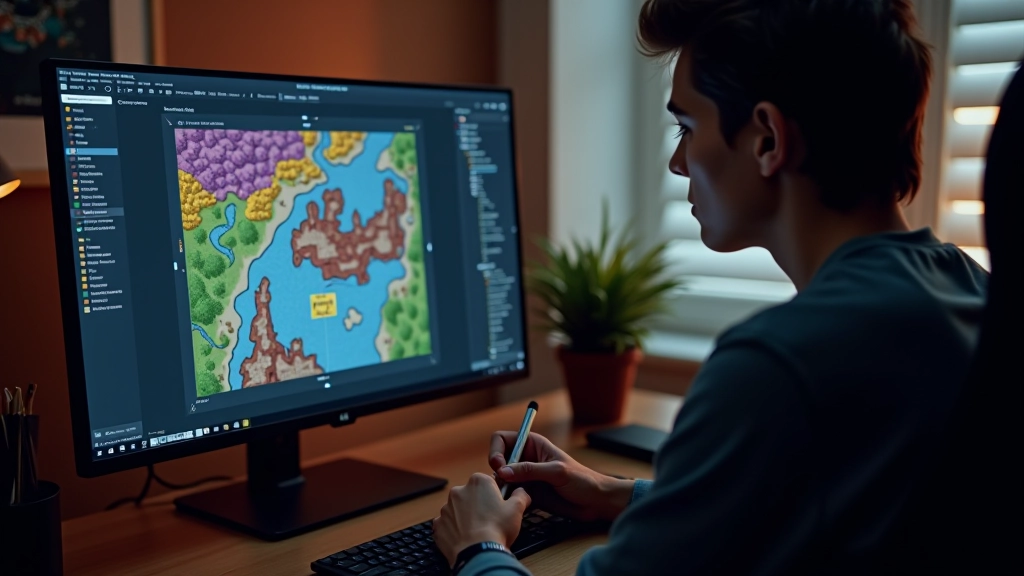
Master the subtle techniques of guiding players without hand-holding. Sight lines, lighting, and spatial flow work together to create intuitive navigation.
Read More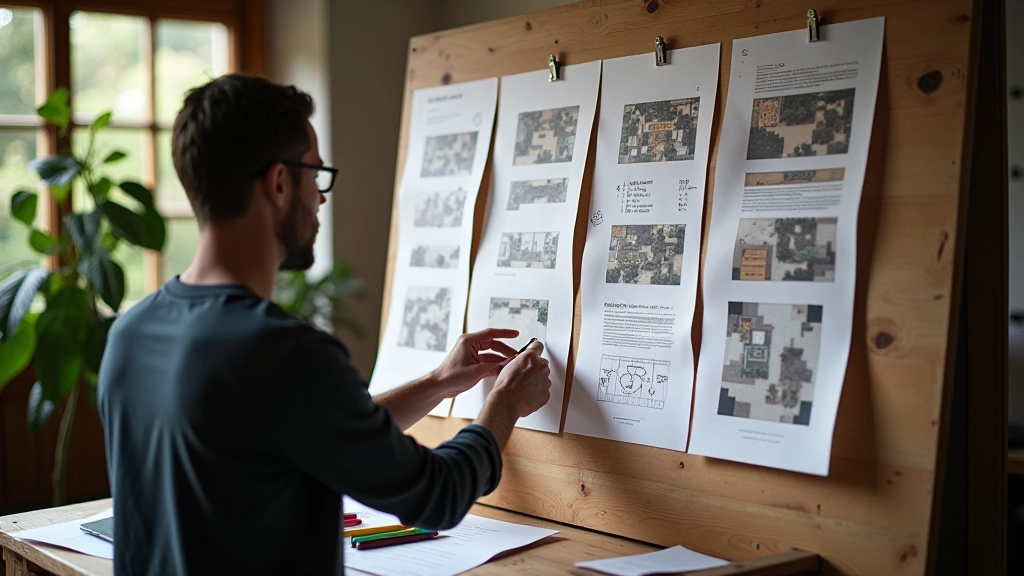
Discover how alternating intensity, space, and challenge creates rhythm. Players don’t notice good pacing — they just feel it.
Read More
Vertical design transforms flat spaces into rich environments. Multiple paths, hidden areas, and dramatic sightlines emerge when you think in three dimensions.
Read More