
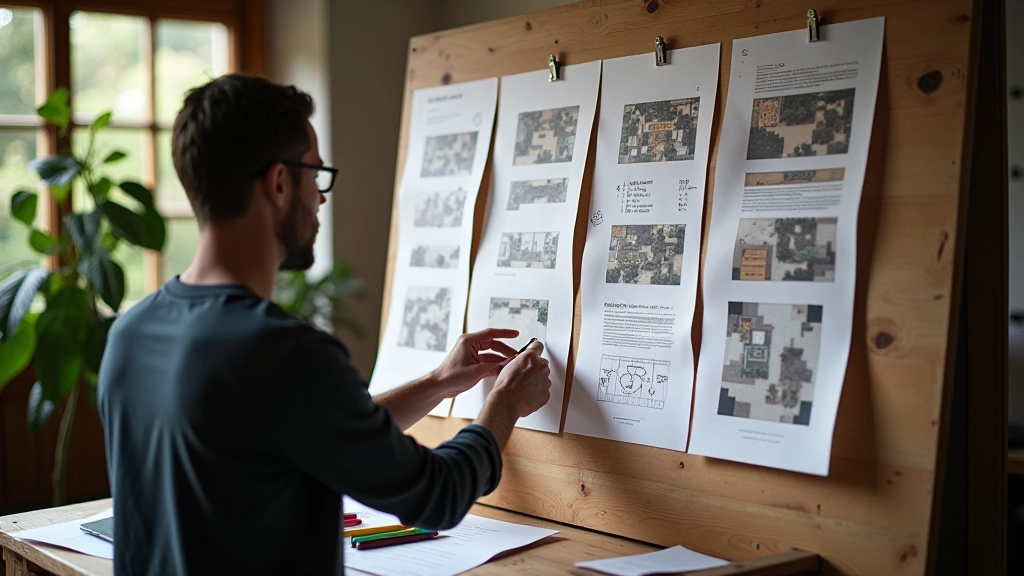
What Makes Pacing Matter
Players experience a level like they’re listening to music. You can’t have all drums and no silence — it becomes exhausting. You can’t have all silence — it becomes boring. Great level design works the same way. It’s about rhythm.
Think about how you feel when you’re playing. Moments of tension, moments of relief. A difficult combat section followed by exploration. A puzzle that makes you think, then a corridor where you just move. That alternation? That’s pacing. It’s not random — it’s deliberate architecture.
The core principle: Variation prevents fatigue. Repetition without contrast flattens the experience. A 20-minute level that’s consistently hard isn’t memorable — it’s just exhausting.
The Four Phases of Level Flow
Every well-designed level follows a rhythm with distinct phases. Understanding these patterns helps you build levels that feel satisfying instead of frustrating.
Introduction & Orientation
Players need space to breathe and understand where they are. Low enemy density, open sight lines, minimal threat. You’re not asking them to perform yet — you’re showing them the playground.
Escalation & Challenge
Now you introduce complexity. More enemies, tighter spaces, harder puzzles. The player’s skill is being tested. Difficulty should increase gradually — not spike dramatically without warning.
Peak Intensity
The climax. The most challenging section. This is where your level’s identity becomes clear. Boss fights, major puzzles, intense sequences — the moment that defines the level’s core experience.
Resolution & Release
The tension drops. Players catch their breath. You’re easing them out, giving them space to process what just happened. This closure is crucial — it’s the emotional payoff.
Space as a Pacing Tool
The spaces you create between challenges are just as important as the challenges themselves. A long empty corridor after a boss fight isn’t wasted space — it’s intentional. It’s a moment for players to decompress.
Consider these spatial pacing techniques: corridors slow momentum and build anticipation, open areas let players breathe and regain composure, narrow passages create claustrophobia and urgency. Each spatial choice affects how quickly the player moves psychologically through your level.
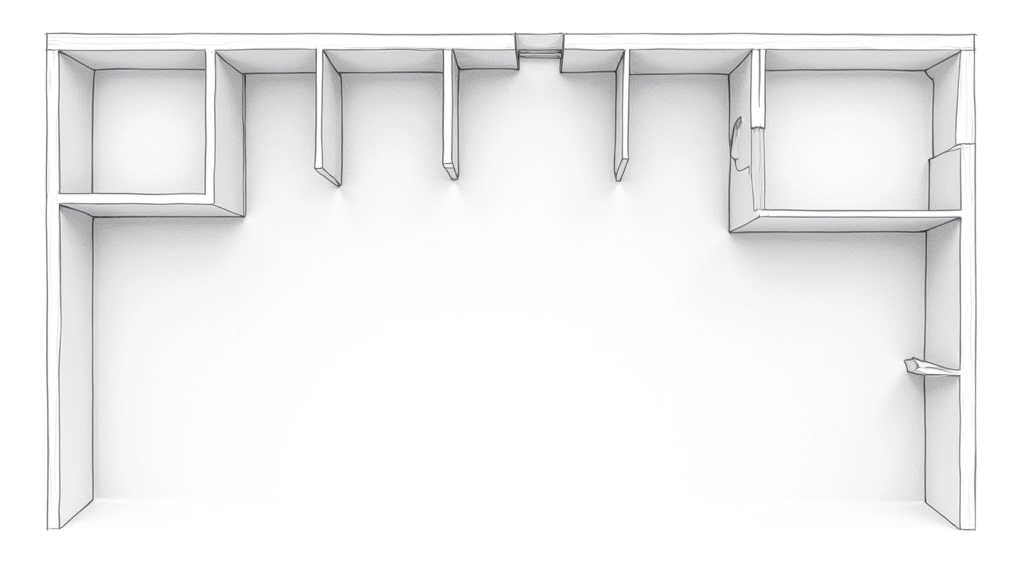
Enemy Placement Rhythm
How you distribute enemies throughout a level is rhythm. You’re not just deciding “8 enemies total” — you’re deciding when players encounter them. The spacing between encounters creates the feeling of flow.
A common mistake: spreading enemies evenly. If you place 2 enemies every 50 meters for the entire level, it becomes predictable and numb. Instead, vary the gaps. Maybe there’s nothing for 200 meters, then suddenly 4 enemies in tight succession, then another quiet stretch.
The Importance of Contrast
Players remember contrast. A single quiet moment in a loud level becomes precious. A single intense moment in a calm level becomes memorable. Contrast is what makes pacing work.
If you want a section to feel intense, surround it with calm. If you want a section to feel peaceful, put it after chaos. Don’t just make everything intense or everything calm — that’s not rhythm, that’s monotone.
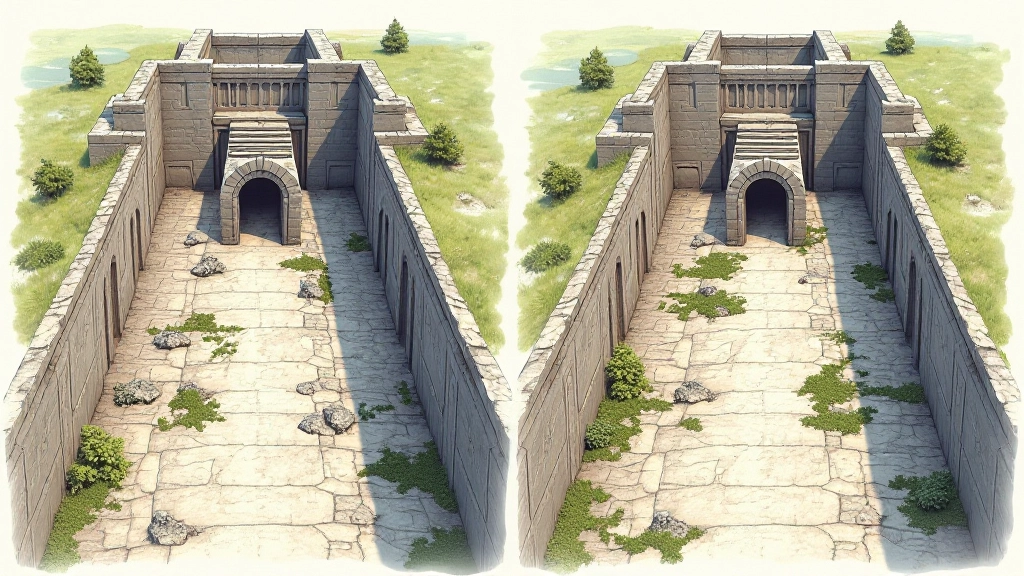
Testing Your Pacing
You can’t just guess if pacing works. You need to test it. Play through your level and track your mental state. Where do you feel tense? Where do you feel bored? Where do you feel relief?
Watch other people play too — not to judge their skill, but to see where they slow down, where they speed up, where they get frustrated. Their behavior tells you about your pacing more than any metric can.
Practical Example: A 10-Minute Level
Let’s build a real example. Imagine a 10-minute combat level. Here’s how pacing shapes it:
- Minutes 0-1: Introduction. Open area, single weak enemy. Player understands controls and space.
- Minutes 1-3: Escalation. Two or three enemies appear in sequence. Player gets comfortable.
- Minutes 3-5: Quiet exploration. Player navigates through an area with minimal threat, finds items, understands the level’s geography.
- Minutes 5-8: Peak intensity. Multiple enemies, tight space, challenging combat. This is the level’s defining moment.
- Minutes 8-10: Resolution. Final corridor, single enemy or none. Player exits feeling accomplished.
That rhythm — tension, relief, exploration, climax, release — is what makes players feel satisfied. They don’t consciously notice it. They just feel like the level was well-designed.
The Invisible Architecture
This is why pacing is called “hidden architecture.” Players don’t see it. They don’t think about it. They just feel whether a level works or doesn’t. Your job as a designer is to make that invisible structure so solid that the experience feels inevitable.
When pacing works, players don’t realize you’ve been guiding their emotional journey. They just know the level felt good. That’s the goal — craftsmanship so careful that it’s completely invisible to the person experiencing it.