Building Spaces That Tell Stories Without Words
Learn how environmental details create narrative depth. From scattered objects to architectural choices, discover techniques for embedding story into your level design.
Vertical design transforms flat spaces into rich environments. Multiple paths, hidden areas, and dramatic sightlines emerge when you think in three dimensions.

Most game designers start thinking about levels in 2D. We plan on graph paper, sketch in top-down views, and map out player routes like we’re drawing a street grid. But the moment you add height—actual vertical distance—something shifts. Suddenly your level isn’t just a path anymore. It’s a space. A place where players look up and down, climb and descend, discover shortcuts hidden above, and navigate obstacles below.
Vertical design isn’t about stacking more stuff on top of existing layouts. It’s fundamentally different. It’s how you use elevation to tell stories, control pacing, create tension, and give players meaningful choices about how to move through your world.
When you introduce elevation, you’re not just adding Z-axis coordinates to your coordinate system. You’re creating visual hierarchy. A player standing in a valley sees less than a player on a ridge. A corridor becomes a cave becomes an open plaza depending on the walls above and below.
Think about your favorite levels from games you’ve played. The ones that felt memorable? They probably had vertical moments. Maybe you jumped from a ledge. Maybe you looked up and saw an area you’d reach later. Maybe the floor dropped away and forced you to find another route. Those moments stick because height creates drama.
The key is intentionality. Every vertical change should serve a purpose—whether that’s navigation, pacing, aesthetics, or storytelling. Random elevation changes feel awkward and confusing. Purposeful ones create flow.
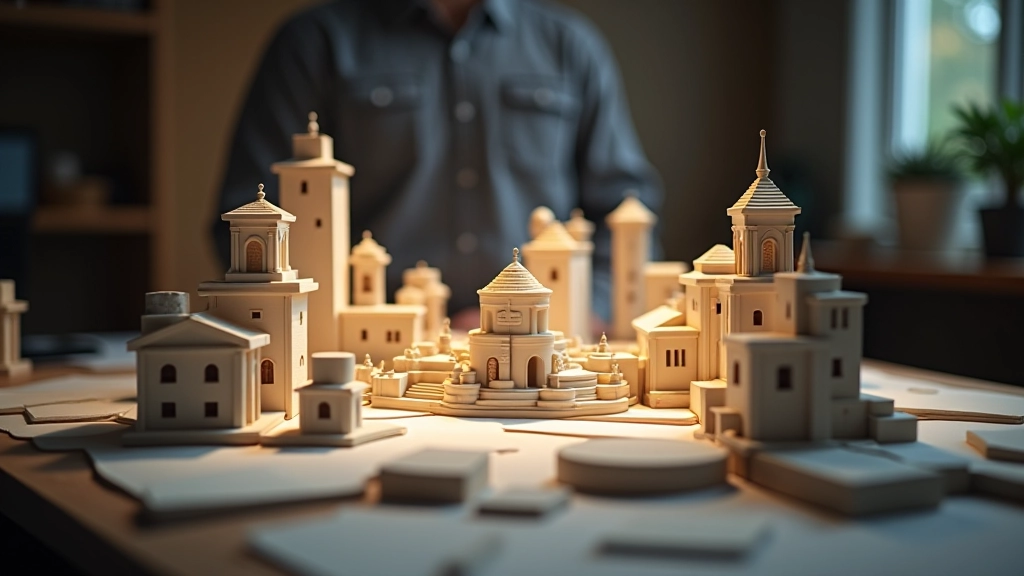
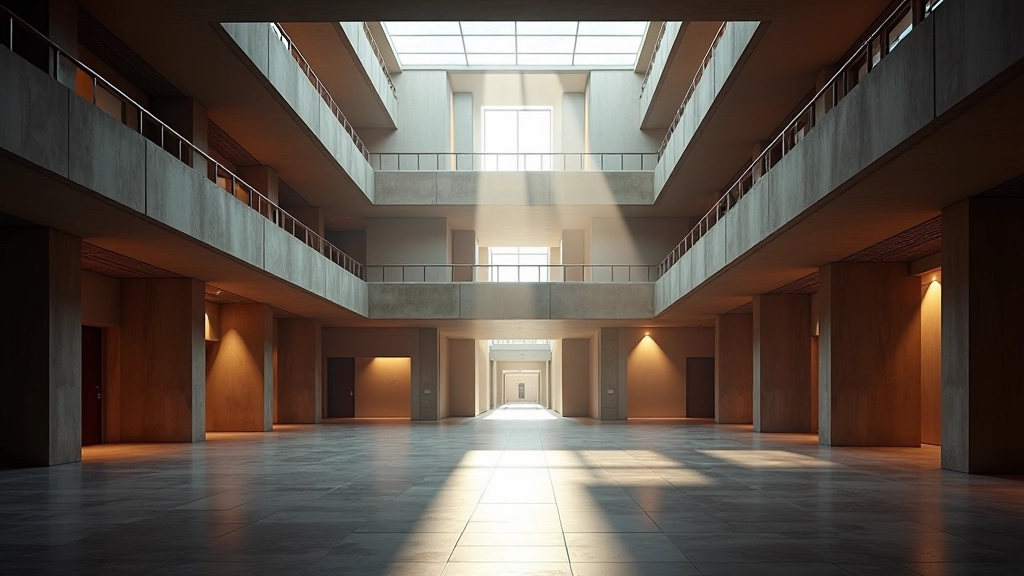
Here’s what separates good vertical design from confusing vertical design: sight lines. Players need to see where they can go. If a player can’t see a ledge, they won’t jump to it. If they can’t see a path below, they’ll get frustrated. But you don’t always show them everything at once—that’d remove discovery.
The technique is called “sight line management.” You strategically show players partial views of areas they’ll reach later. A glimpse of a rooftop. The sound of water from a level below. A distant silhouette of an enemy. These hints create curiosity and guide navigation without hand-holding.
When designing vertically, constantly ask: “Can my player see what they need to see right now?” If the answer’s no, either adjust your layout or add visual cues. Ladders should be visible from the area they lead to. Drops should show safe landing zones. Verticality without visibility is just frustration.
These principles apply across different game genres and engines. Whether you’re working with Unity, Unreal, Godot, or custom engines, the spatial design concepts remain consistent. Your specific implementation will vary based on your game’s mechanics, art style, and technical constraints. Test your vertical layouts thoroughly with actual players—what feels intuitive to you might confuse others.
Layering is where vertical design gets interesting. You’re essentially creating multiple levels that exist simultaneously, stacked at different heights. A player on the top layer sees what’s below them. A player below might see the underside of structures above.
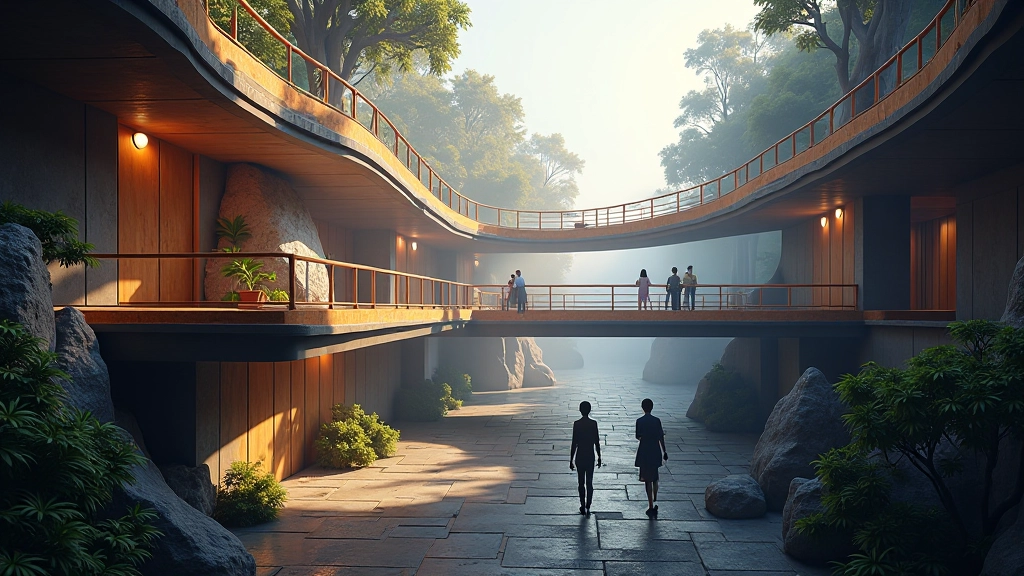
This creates opportunities you can’t get in flat design. You can hide enemies behind platforms. You can make players feel vulnerable standing on a thin bridge with enemies shooting from below. You can reveal secrets to players who explore upward. The space itself becomes more complex without necessarily being larger.
A useful approach: think in “layers” rather than “one continuous space.” Each layer might have different gameplay. The top layer could be exploration-focused. The middle could be combat-heavy. The bottom could be a safe zone or secret area. This naturally creates distinct experiences within a single space.
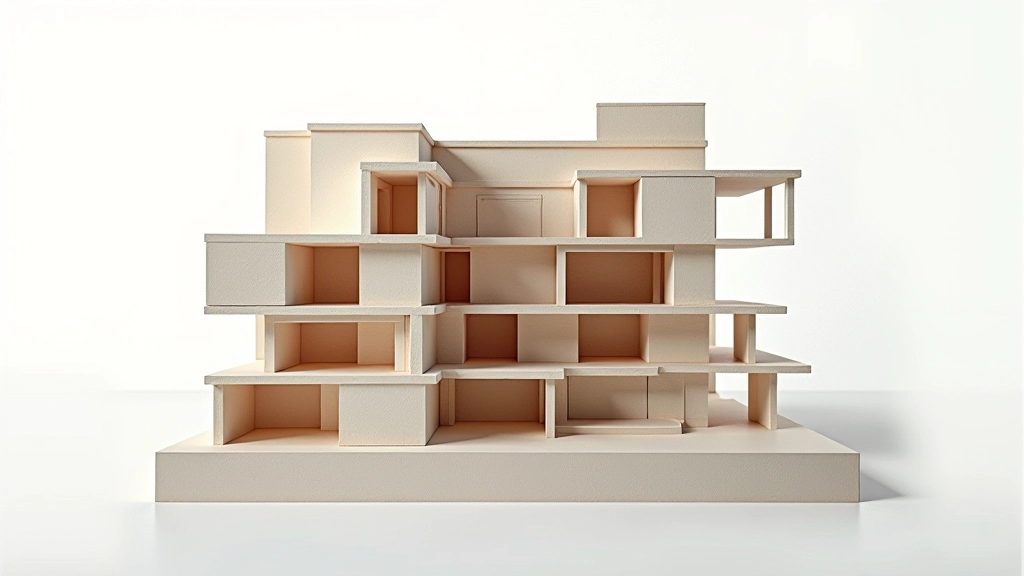
Let’s get concrete. When you’re actually building a vertical space, what does that look like? Start by deciding your elevation range. A small space might have 3-4 distinct height levels. A large level might have 10+. Document these clearly so your team stays aligned.
Next, plan your connections. How does a player move between heights? Stairs, ramps, ledges, ladders, jump pads, elevators—each has different feel and pacing implications. Stairs are slow and deliberate. Jumping is fast and risky. Elevators are cinematic moments. Mix them to create rhythm.
Don’t forget collision volumes and visual blocking. Just because something’s visible doesn’t mean it’s reachable. An invisible wall blocking access to a visible area feels terrible. Make your spaces feel honest—if players can see it and the geometry allows, they should reach it (or there should be a clear reason why they can’t).
Vertical space transforms level design from a 2D puzzle into a 3D experience. It’s not complexity for its own sake—it’s depth that rewards exploration, creates meaningful choices, and tells stories through space itself. A player climbing a mountain experiences something different from a player descending into a cavern, even if the mechanical challenge is identical.
The best vertical levels feel inevitable. Players look at a space and instinctively know where to go. They discover shortcuts. They find hidden areas. They understand the three-dimensional nature of the world because you’ve designed sight lines and layering that make it clear. That clarity is the real skill—not making levels complicated, but making them intelligible.
Start small. Add one vertical element to an existing level design. See how it changes player behavior. Experiment with sight lines and layering. Build your intuition for how elevation affects pacing and discovery. Once you understand these fundamentals, you’ll see vertical opportunities everywhere.