Good level design whispers rather than shouts. You’re not forcing players down a corridor with glowing arrows — you’re creating an environment where the right path feels natural, obvious, and rewarding to discover. The best guidance is invisible to the player yet immediately clear in their actions.
This isn’t about hand-holding. It’s about architecture, light, and spatial relationships working in harmony. When you understand how players read a space, you can guide them without ever breaking the immersion. They’ll move exactly where you want them to go, and they’ll feel like they discovered it themselves.
Sight Lines
Direct player vision to objectives through deliberate camera positioning and architectural framing.
Spatial Hierarchy
Create clear distinctions between important and secondary spaces using scale, color, and positioning.
Flow Paths
Design natural movement corridors that feel organic rather than imposed, using environmental cues.
Reading Space: How Players Naturally Orient
Players aren’t passive observers — they’re constantly scanning environments for patterns. They look for openings, elevated areas, areas of shadow versus light, and objects that stand out. When you design with this understanding, guidance becomes intuitive.
Consider how players enter a space. Their eyes won’t go where you want randomly. They’ll follow contrast, movement, and recognizable shapes. A bright doorway pulls attention. An elevated platform demands exploration. Distinct color palettes signal different zones. You’re not telling them where to go — you’re making the destination visually magnetic.
The Three-Layer Approach
Divide your space into foreground (immediate player area), midground (primary objective zone), and background (context and secondary objectives). Each layer should have distinct visual weight. Players naturally progress through layers when they’re designed with clear visual separation.
The Five Core Techniques
These aren’t rules — they’re tools. Each technique works differently depending on your game’s style and pace.
Contrast & Emphasis
Break visual uniformity. A red door in a gray corridor. A lit window in darkness. An enemy silhouette against a bright sky. Contrast is the fastest way to capture and direct attention. But don’t overuse it — if everything’s emphasized, nothing is.
Lighting Direction
Light is a guide. Players naturally move toward illumination — it feels safe, important, and purposeful. Use light to reveal the correct path. Shadow hides dangers or secrets. Gradual lighting changes guide movement without being obvious about it.
Architectural Framing
A doorway frames the next space. Pillars create natural corridors. Railings suggest a path. Architecture physically shapes player movement. Use it deliberately — tight spaces create tension, open areas feel inviting or dangerous depending on context.
Elevation & Scale
Raised platforms draw eyes and feet. Large objects feel important. Narrow passages create urgency. Scale communicates hierarchy instantly. A boss arena isn’t just bigger — its scale tells you something significant is happening here.
Environmental Storytelling
Objects tell stories. A trail of footprints. Broken furniture. Scattered supplies. These details guide players while building world depth. They’re breadcrumbs made of narrative. Players follow them naturally because they’re curious about what the story means.
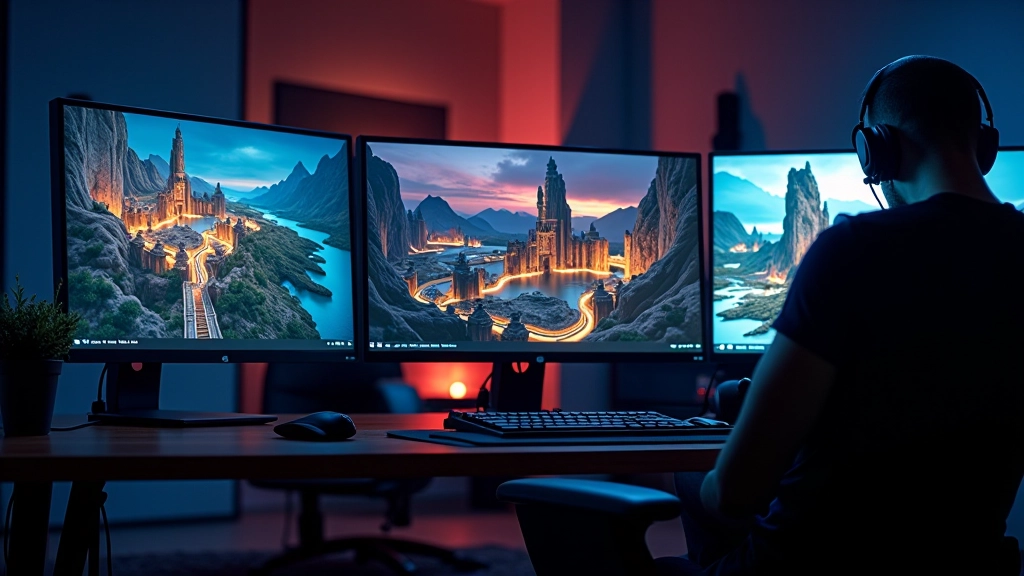
Practical Application: Putting It Together
Let’s say you’re designing a space where players need to reach a distant objective. You don’t place a glowing marker. Instead, you layer techniques.
Frame the objective visually
Position it where it’s framed by the current architecture — visible but not immediately reachable.
Create contrast
Make it slightly brighter or use a distinct color. Not garish — just enough to stand out naturally.
Build a path with environmental cues
Place smaller objects, lighting shifts, or architectural elements that naturally lead that direction.
Test sight lines
Can the player see progress toward the objective? Can they see what’s ahead? Uncertainty creates exploration — use it strategically.
The player arrives at the objective feeling like they figured it out themselves. That’s when guidance becomes invisible.
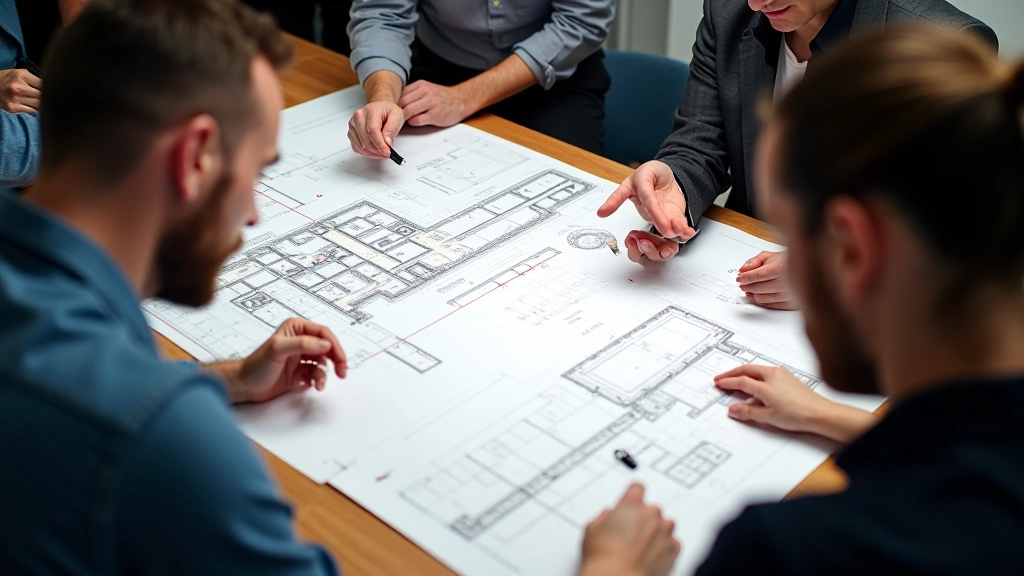
Common Mistakes to Avoid
Over-Guiding
Every element screaming for attention means nothing stands out. Players get lost in noise. You’re looking for the signal-to-noise sweet spot where the correct path is obvious without being annoying.
Invisible Guidance
Being too subtle is worse than being obvious. If players genuinely can’t find the objective, your guidance failed. Test with actual players. What seems clear to you might not be.
Inconsistent Systems
If bright areas mean danger in one section and safety in another, you’re teaching the wrong lessons. Establish consistent visual language early and maintain it throughout your level.
Ignoring Camera Angles
Your level looks great from one angle but guides players terribly from the actual camera view. Design for the player’s perspective, not the god’s eye view. What they see is what guides them.
Educational Purpose
This guide presents established level design principles and techniques used in the industry. These concepts work best when adapted to your specific game’s mechanics, art style, and audience. Every project requires experimentation — these aren’t rigid rules but flexible approaches. Test your designs with actual players and iterate based on their behavior and feedback. What works brilliantly in one game might need adjustment in another.
The Invisible Art of Guidance
Great level design doesn’t announce itself. Players move through your spaces, make discoveries, and overcome challenges without noticing the architecture guiding them. They’ll praise your level for being fun and intuitive, not realizing they were following a carefully orchestrated dance of sight lines, light, and spatial relationships.
That’s the goal. Build spaces where the right path feels inevitable, where exploration is rewarding, and where players trust the environment to guide them. Master these techniques, and you’ll create levels that feel like discoveries rather than constructions. The player isn’t following your design — they’re following their own instincts. You’ve just shaped the environment so their instincts lead exactly where you intended.

Related Articles