

Building Spaces That Tell Stories Without Words
Learn how environmental details create narrative depth. From scattered objects to architectural choices, discover what makes players feel immersed in a world that speaks through design.
What Is Environmental Storytelling?
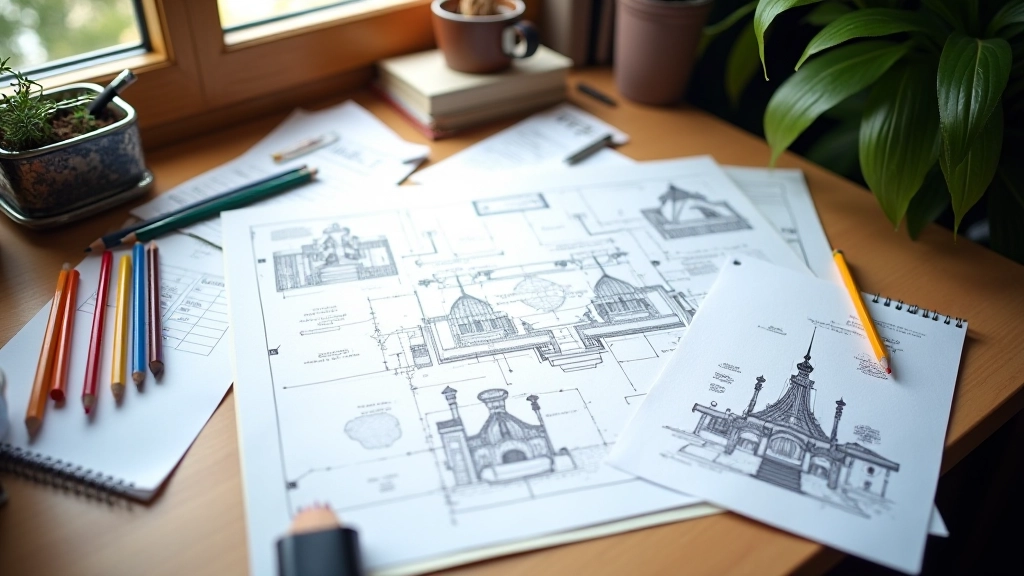
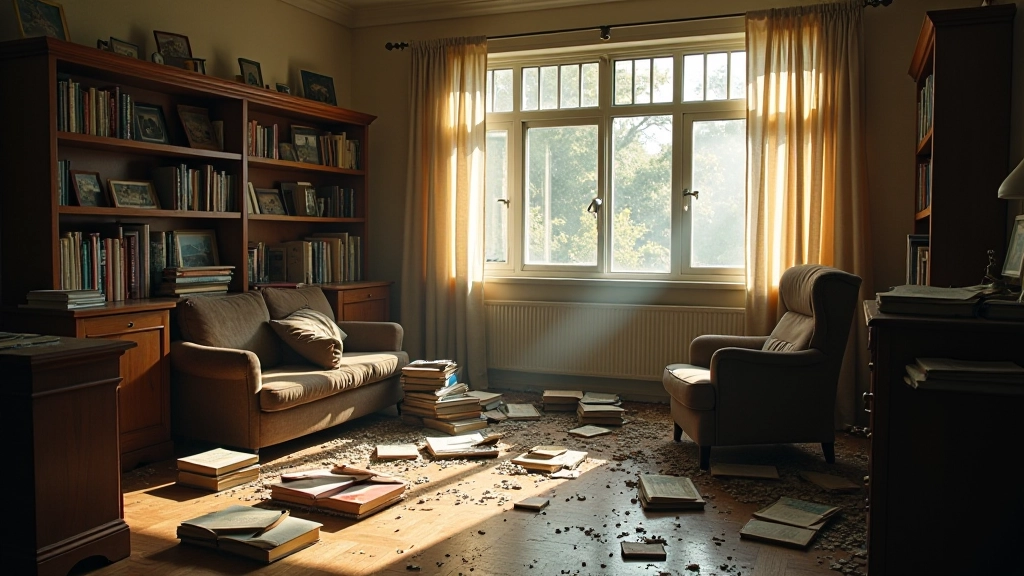
Environmental storytelling is the art of conveying narrative through level design itself. Instead of relying on cutscenes or dialogue, you’re telling the story through the spaces you build. It’s how players understand what happened in a room just by looking at it—scattered furniture suggests a struggle, overgrown gardens hint at abandonment, careful arrangements reveal character and intention.
The best part? Players don’t even realize they’re being told a story. They’re experiencing it. They’re piecing it together from details you’ve deliberately placed. A overturned chair. A faded photograph on a shelf. Scorch marks on a wall. Each element whispers context without ever saying a word.
This approach creates immersion that dialogue simply can’t match. It respects player intelligence. It lets them draw conclusions rather than having information handed to them. And it transforms a game level from a series of challenges into a believable world with history, purpose, and emotional weight.
Object Placement as Narrative
Every object in your level has the potential to tell something. It’s not about clutter—it’s about intention. A well-placed item answers questions: Who lived here? What were they doing? What happened to them? Why should players care?
Consider the difference between a generic bedroom and one that tells a story. Generic: a bed, a desk, a wardrobe. Telling a story: a neatly made bed with a worn journal on the pillow, a desk covered in half-finished letters, a wardrobe with one section notably empty. That empty section is everything. It says someone left suddenly. Someone important. The details work together to create emotional context.
This works best when you layer it. One detail might be coincidence. Three details that point the same direction? That’s a story. Players are pattern-recognition machines. They’ll find the narrative you’ve hidden if you give them enough breadcrumbs. The trick is restraint—place enough to tell the story, not so much that it feels forced.
Learning Note
Environmental storytelling techniques vary significantly across different game genres, player skill levels, and cultural contexts. The principles outlined here are foundational guidelines—your implementation should always be adapted to your specific game’s aesthetic, narrative goals, and target audience. What works brilliantly in one project might feel out of place in another.
Architecture as Storytelling
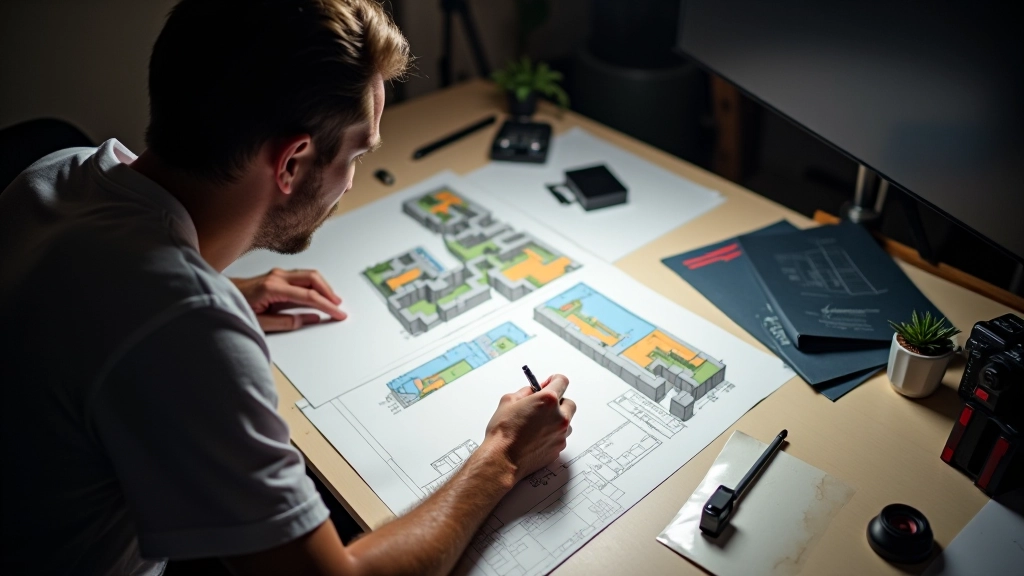
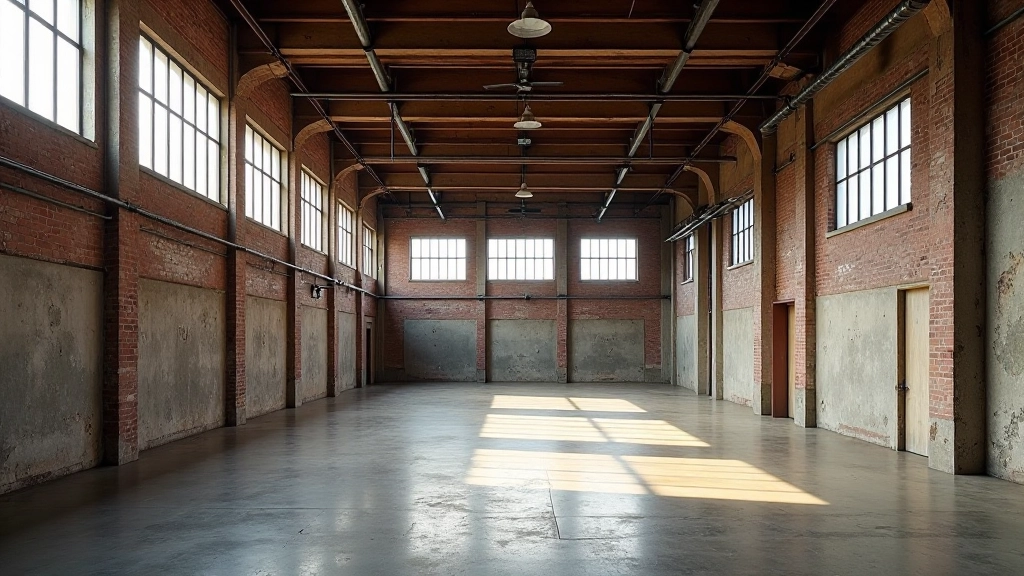
The shape of a space tells stories before you add a single decorative object. A high ceiling with grand archways suggests wealth and power. A cramped corridor with low pipes suggests industrial, utilitarian purpose. A circular room with multiple exits implies community gathering. Architecture is the skeleton of your narrative.
Think about how buildings evolve in real life. A medieval castle gets expanded haphazardly over centuries—you can see the old stone walls next to newer construction. A corporate office follows strict grid patterns. A home that’s been lived in for decades shows patches, modifications, repairs. This authenticity resonates with players because they’ve seen it in the real world.
You’re not just building rooms. You’re building the history of how those rooms came to exist. Did this structure need to adapt? Did it decay? Was it carefully maintained? The architectural language you use creates context that makes everything else—the objects, the atmosphere, the player experience—feel legitimate and meaningful.
Light, Color, and Emotional Tone
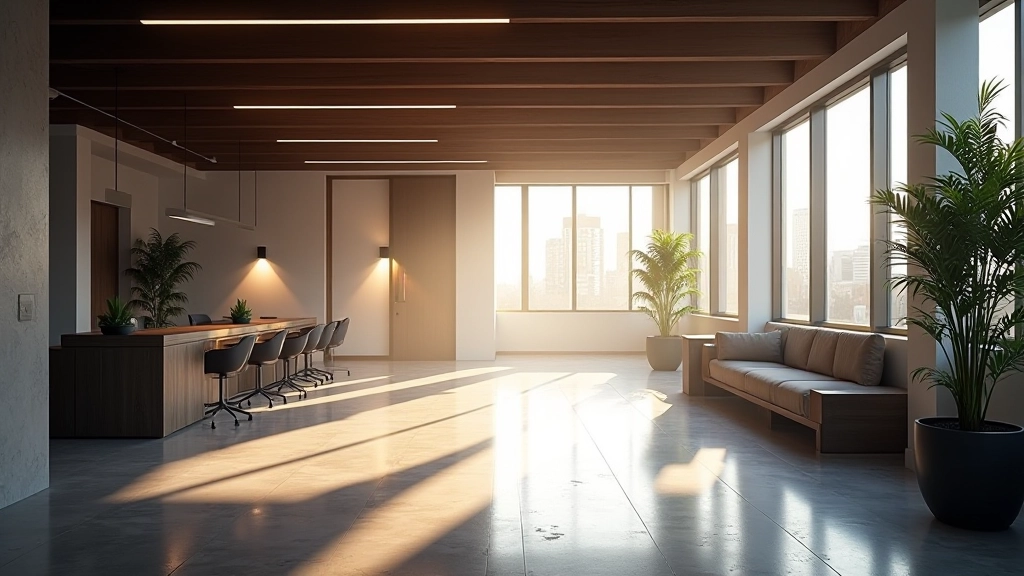
You can tell an entire story through lighting and color before players interact with anything. Warm golden light suggests safety, comfort, nostalgia. Cold blue light creates unease. Deep shadows suggest mystery or danger. Color grading isn’t decoration—it’s emotional communication.
A room bathed in warm amber light with wooden furniture and vintage objects tells a completely different story than the same room under harsh fluorescent lights with industrial elements. Same space. Entirely different emotional context. This is why environmental storytelling is so powerful—you’re not describing feelings, you’re creating the conditions for players to feel them naturally.
The best designers use light and color strategically. Not every room needs to be beautiful. Some should feel oppressive. Others welcoming. Some haunting. Your color palette and lighting design guide players through emotional beats without a single line of dialogue. It’s storytelling through pure atmosphere.
Core Principles That Make It Work
Subtlety First
Don’t explain what you’ve designed. Let players discover it. The most powerful stories are the ones players piece together themselves rather than being told.
Layered Details
One detail might be missed. Three details pointing the same direction create conviction. Multiple layers give players different depths to explore based on observation skill.
Consistency Matters
If your story says this place is abandoned, every detail should reinforce that. Contradictions break immersion. Everything in the space needs to sing the same song.
Context Through Contrast
A single well-maintained object in a decaying space says something. A single broken item in a pristine room says something different. Contrast creates meaning.

Continue Learning

Start Seeing Spaces as Stories
Environmental storytelling isn’t a special technique—it’s a way of thinking about level design. Every object you place, every architectural choice you make, every light you position is an opportunity to communicate. The best part? Players will feel these stories even if they can’t articulate them. They’ll walk into a room and know something about what happened there. They’ll understand the tone without being told. They’ll feel connected to a space because it feels authentic and intentional.
Start noticing how real spaces tell stories. Look at abandoned buildings and think about what they communicate. Visit homes and notice how personal objects create personality. Observe how lighting changes emotional impact. Then bring that awareness into your design. The worlds you build will feel more alive, more believable, and ultimately more memorable. That’s the power of storytelling without words.